.avif)
ORAL APPLIANCE DELIVERY GUIDE

Getting Started With Your Appliance
Give yourself one week to adjust to wearing your appliance nightly before making any changes. Once you’re comfortable, you can begin making small adjustments to improve symptoms like snoring or sleep disruptions.
- Wear every night for the first week before adjusting.
- Only advance the device if symptoms persist (e.g., snoring).
- Each appliance is unique—use your device tracker or ask your Wellness Associate for help.
- Some adjustments can be made virtually via telemedicine.
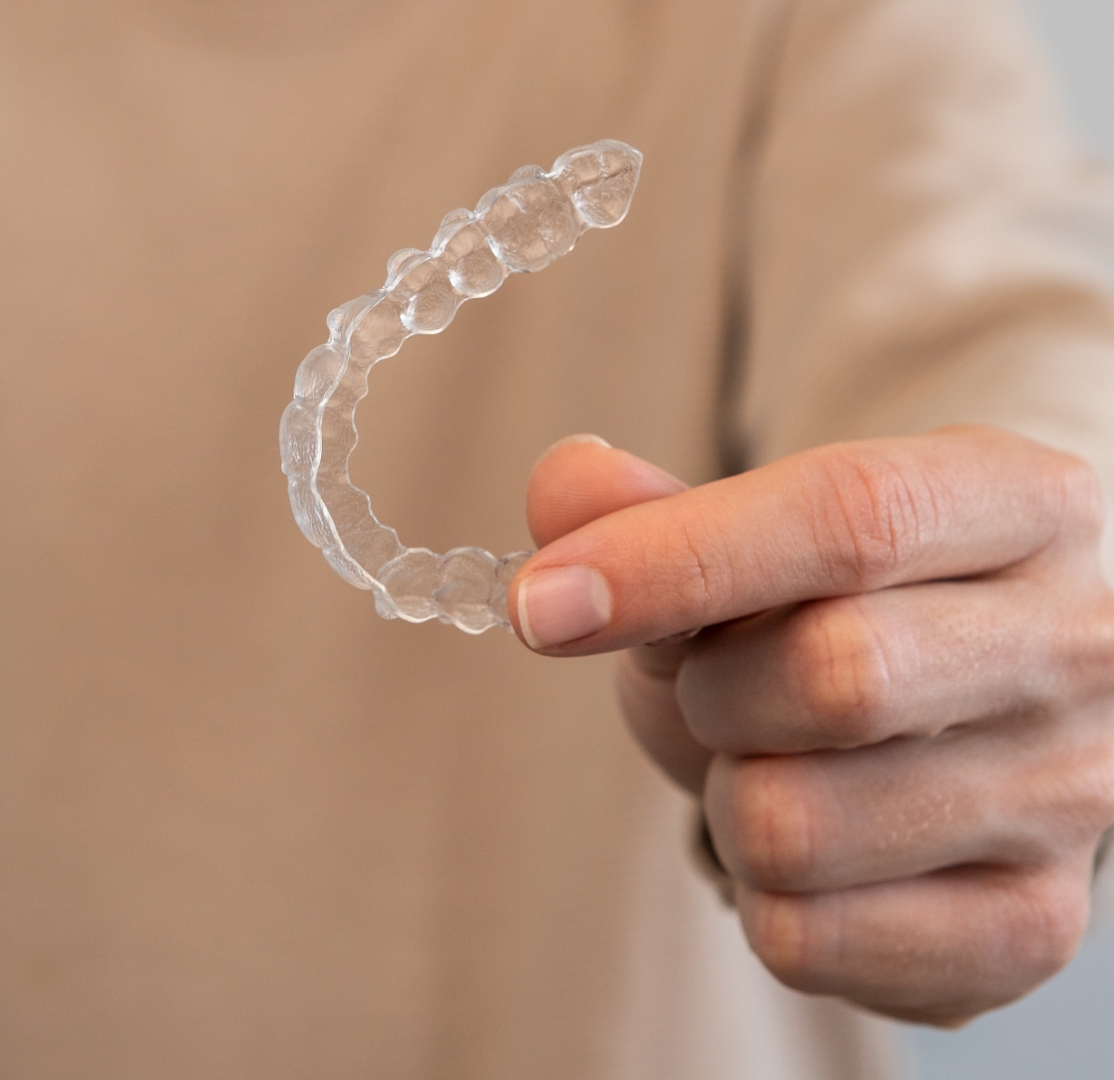
Cleaning and Maintenance
Consistent cleaning helps keep your device fresh and effective. Improper care can lead to odor, damage, or voided warranties.
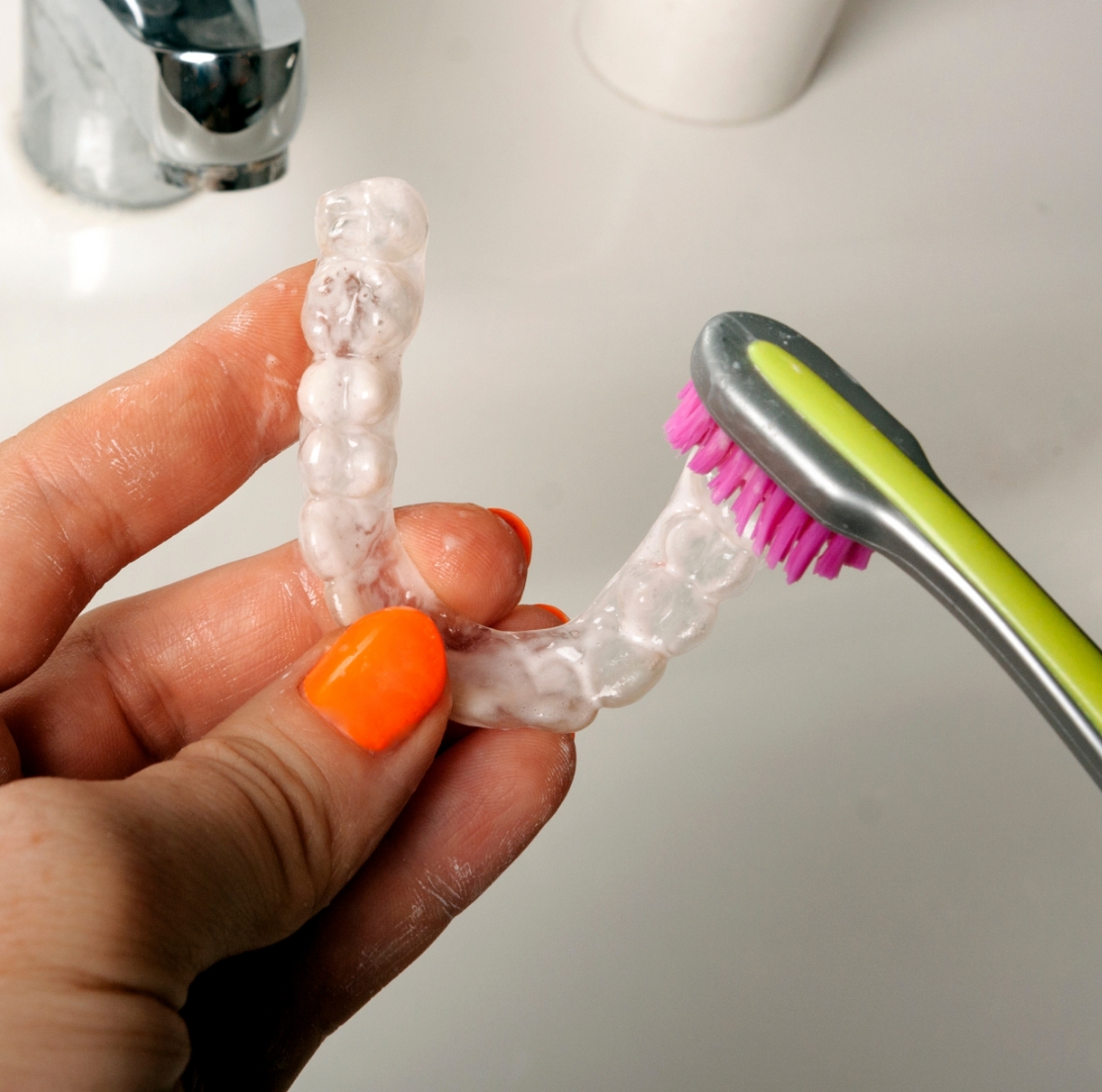
- Clean daily with cool water, a soft toothbrush, and liquid soap (no toothpaste).
- Let air dry before storing to prevent bacteria and odors.
- Never use hot water, dishwashers, or leave in the sun—heat can warp it.
- Once a week, soak in an ultrasonic cleaner with cleaning crystals for 10 minutes.
- Always store in the case when not in use and keep away from pets.
- Brush and floss before inserting the device each night.
Morning Jaw Exercises
These exercises reduce morning jaw stiffness and help prevent long-term bite changes. Do them every morning after removing your appliance.
Chin Thrust:
Rest chin on fist and open mouth to allow jaw to settle back.
Chewing Gum:
Chew sugar-free gum in the morning (ideally while showering) to relax jaw muscles.
AM Aligner:
Lightly bite down on aligner for 30 seconds to verify your bite is returning to normal.

Adjunct Therapies & Supplements
These optional tools and supplements can enhance your sleep quality and oral appliance results.
Rubber bands:
Help train your mouth to stay closed.
Melatonin (≤3mg):
Helps regulate your sleep cycle.
Dry mouth gel and nose supports:
Improve comfort and breathing.
Magnesium glycinate (120mg):
Calms the nervous system before bed.
Saline rinse + Flonase:
Clear nasal passages and reduce inflammation from allergies.
Vitamin D:
Supports sleep—supplement if levels are below 30 (aim for 60–80).
Allergy support:
OTC meds or allergist consults may improve sleep quality.
B Vitamins:
Boost energy and mood—take in the morning.
Acid reflux:
Consider OTC antacids like Prevacid to reduce airway inflammation.
Thyroid/Iron Testing:
Helps rule out fatigue and restless legs as sleep disruptors.
Other aids:
Valerian root, GABA, chamomile, CBD may help—but avoid daily use of Benadryl or similar.
Medication Review:
Many depression or anxiety meds affect sleep—review them yearly with your provider.
Healthy Sleep Habits
Practicing good sleep hygiene improves treatment results and your overall sleep quality.
Sleep Readiness:
Only go to bed when sleepy. Do something relaxing if you’re not tired.
Substance Limits:
Limit caffeine after lunch and avoid alcohol or nicotine close to bedtime.
The 20-Minute Rule:
If you cannot fall asleep within 20 minutes, get up and return only when you feel sleepy again.
Dietary Balance:
Do not go to bed too full or too hungry.
Nighttime Routine:
Create a relaxing nighttime routine; consistency signals your brain it is bedtime.
Daily Exercise:
Exercise daily but avoid vigorous workouts within 6 hours of bedtime.
Consistent Schedule:
Keep a consistent sleep and wake schedule, even on weekends.
Sleep Aids:
Use sleep aids cautiously; avoid long-term use and never mix them with alcohol.
Nap Management:
Avoid naps if you have insomnia. If necessary, keep naps short and scheduled.
Stress Management:
Manage stress during the day rather than at bedtime. Try mental exercises if you cannot fall asleep.
Daily Habits:
Stick to regular daily habits for meals, chores, and medications.
Bedroom Environment:
Keep your bedroom dark, quiet, and cool (62°F–68°F).
Bed Association:
Use your bed only for sleep and intimacy.
Screen Habits:
Avoid screens during the last hour before bed; read a physical book instead.